Radon Extraction Services Overview for Property Owners
This page helps property owners learn about radon extraction services and compare local contractors who handle the work.
- - Radon extraction services for residential homes seeking to reduce indoor radon levels.
- - Local contractors specializing in radon mitigation for commercial buildings and multi-unit properties.
- - Service providers equipped to handle radon testing and extraction in new construction or existing structures.
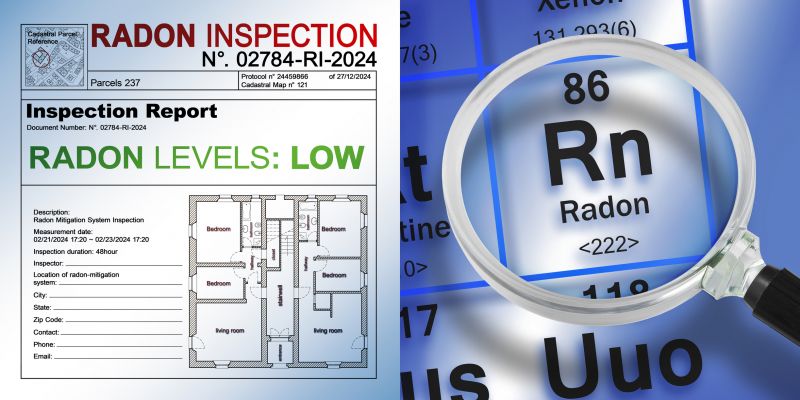
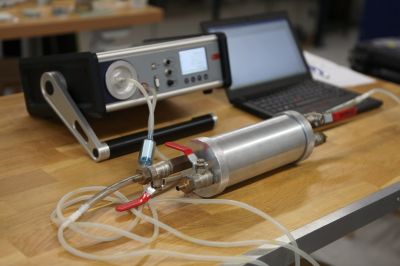
Radon extraction services involve the removal of radon gas from indoor environments, typically within residential or commercial properties. Property owners often seek assistance when they detect elevated radon levels through testing or are preparing to buy or sell a property. Local contractors specializing in radon mitigation use specialized equipment and techniques to reduce radon concentrations, helping to create safer indoor air quality. These service providers are experienced in assessing individual properties, designing effective mitigation systems, and installing solutions tailored to specific building layouts.
Connecting with local pros ensures that property owners receive services from experienced contractors familiar with the area's building codes and environmental conditions. These professionals handle the installation and maintenance of radon mitigation systems, providing solutions that help reduce radon levels efficiently. When seeking radon extraction services, property owners can expect to work with specialists who prioritize safety, quality, and compliance with local standards. Comparing options from nearby service providers can help identify the right fit for addressing radon concerns effectively.
This guide provides helpful information to understand radon extraction services and what to consider when choosing a provider. It assists in comparing local contractors to find the right match for your needs. The goal is to help you gather the basics needed to connect with qualified service providers in your area.