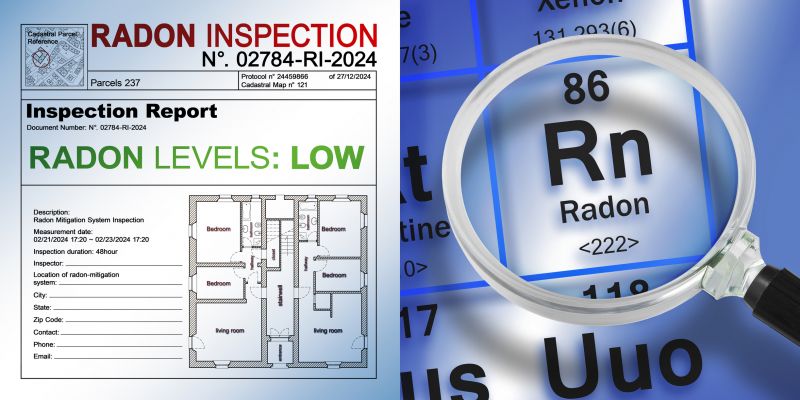
Radon Removal in Chicago, IL
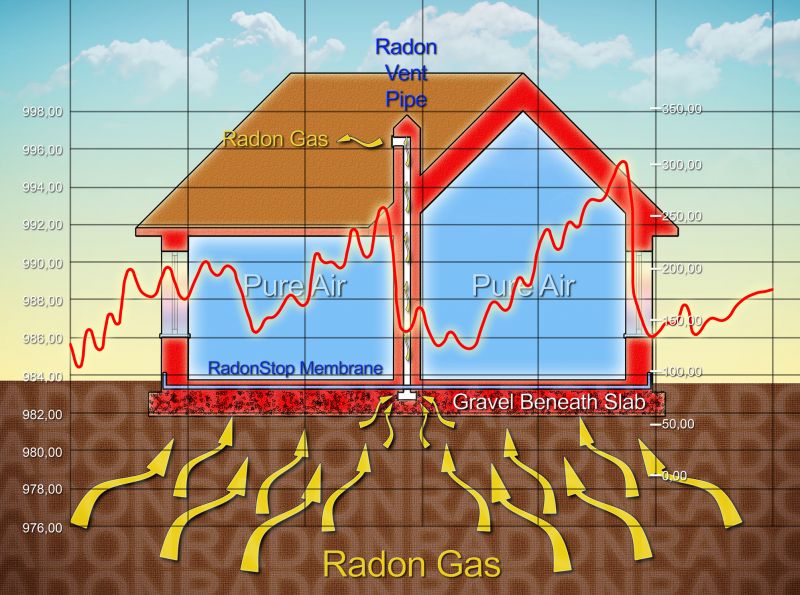
Radon removal services focus on reducing indoor radon levels to promote healthier living environments for homeowners. Radon is a naturally occurring radioactive gas that can accumulate inside homes, especially in basements and lower levels, posing potential health risks over time. These services typically involve testing for radon presence and installing specialized mitigation systems to vent radon safely outside the property. Projects can range from single-family residences to multi-unit buildings, ensuring that residents are protected regardless of the home's size or construction type.
Property owners interested in radon removal often want to understand the process involved, the effectiveness of mitigation systems, and any necessary maintenance or ongoing testing. It is common to request information about how radon levels are measured, what signs indicate a possible problem, and how long a mitigation system might last. Clarifying these details helps homeowners make informed decisions about reducing radon exposure and maintaining a safe living space.
Many property owners in Chicago, IL look into Radon Removal for repairs, replacements, upgrades, and appearance-related improvements.
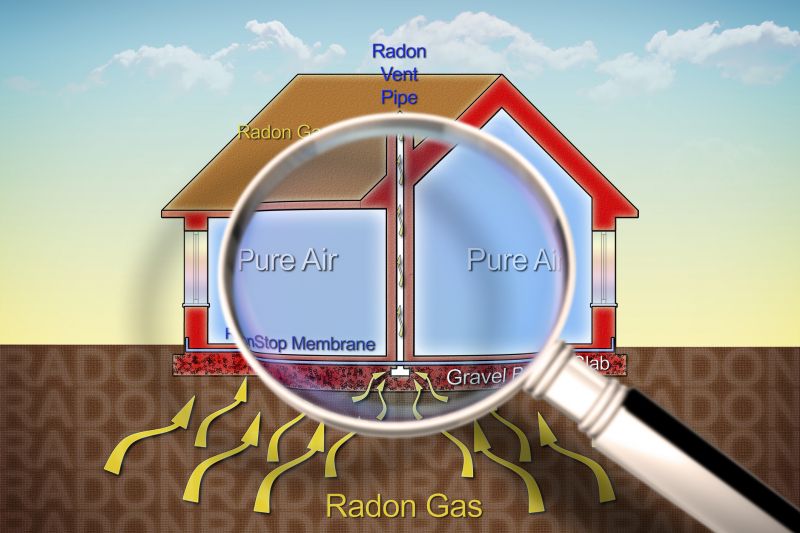
Radon Testing And Detection
Accurate radon level assessments help ensure your home's safety in chicago and surrounding areas.
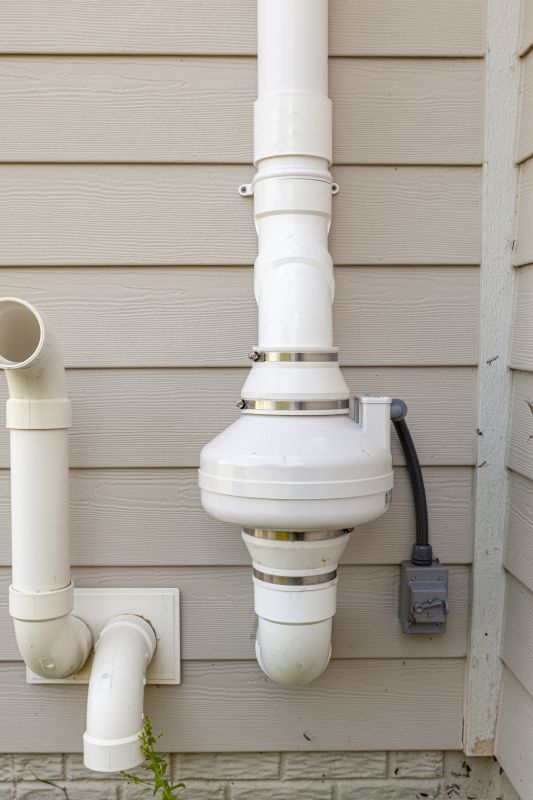
Radon Mitigation Solutions
Effective removal systems are designed to reduce radon levels and protect your family’s health.
Radon Prevention Tips
Proper ventilation and sealing techniques can help prevent radon buildup in residential and commercial properties.
Radon Removal in Chicago, IL

Radon removal services focus on reducing indoor radon levels to promote healthier living environments for homeowners. Radon is a naturally occurring radioactive gas that can accumulate inside homes, especially in basements and lower levels, posing potential health risks over time. These services typically involve testing for radon presence and installing specialized mitigation systems to vent radon safely outside the property. Projects can range from single-family residences to multi-unit buildings, ensuring that residents are protected regardless of the home's size or construction type.
Property owners interested in radon removal often want to understand the process involved, the effectiveness of mitigation systems, and any necessary maintenance or ongoing testing. It is common to request information about how radon levels are measured, what signs indicate a possible problem, and how long a mitigation system might last. Clarifying these details helps homeowners make informed decisions about reducing radon exposure and maintaining a safe living space.
Many property owners in Chicago, IL look into Radon Removal for repairs, replacements, upgrades, and appearance-related improvements.
Common Radon Removal Jobs
Radon mitigation systems - installed to reduce radon levels in residential properties.
Basement radon removal - designed to lower radon concentrations in below-ground spaces.
New construction radon prevention - integrated into building plans to prevent radon entry.
Existing home radon testing and removal - performed to identify and address elevated radon levels.
Indoor air quality improvements - achieved through effective radon reduction solutions.
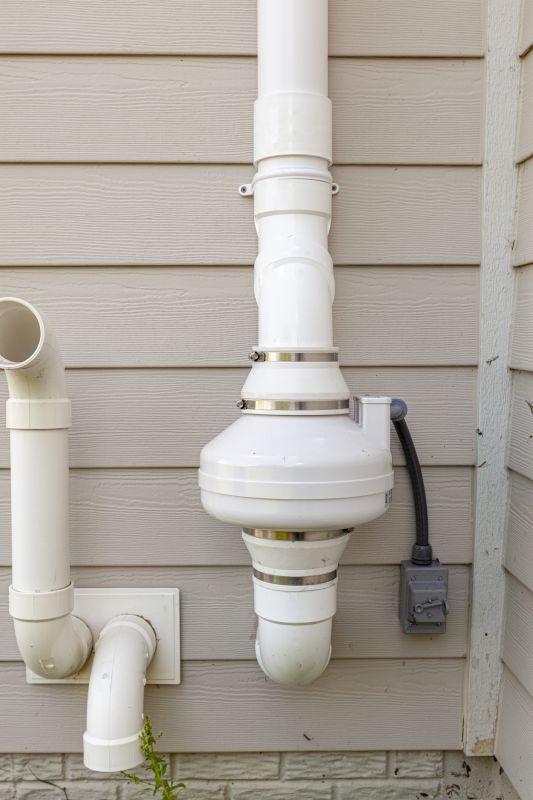
Radon venting solutions - implemented to safely vent radon gases from indoor spaces.
Radon Removal Questions
What is radon removal? Radon removal involves reducing radon levels in a property to improve indoor air quality and safety.
When should a property owner consider radon removal? Radon removal is recommended if testing shows elevated radon levels above safety guidelines.
What types of properties typically need radon removal services? Radon removal services are often requested for homes, especially basements and lower levels.
How does radon removal improve indoor air quality? It reduces radon concentrations, helping to create a healthier living or working environment.
Request Radon Removal in Chicago, IL
Use the quote form on this page to share the basics of your project and request more information for the type of work you need.