
Radon Gas Abatement in Lake County, IL
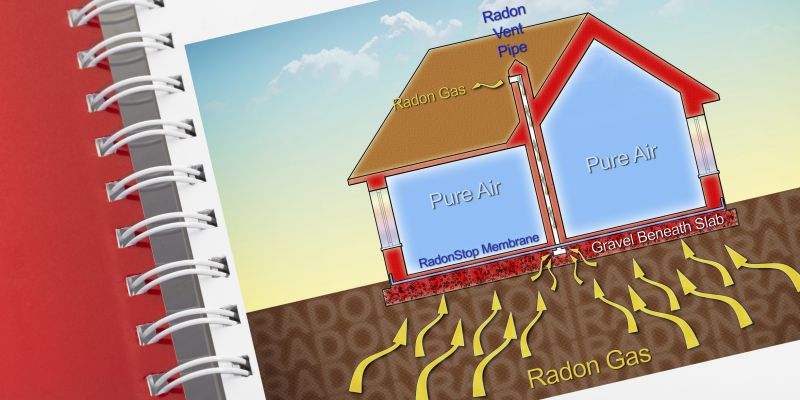
Radon gas abatement services focus on reducing elevated levels of radon, a colorless and odorless radioactive gas that can accumulate inside homes and other properties. These services typically involve installing specialized ventilation systems or sealing entry points to prevent radon from seeping into living spaces. Projects often include testing existing structures to determine radon levels, followed by designing and implementing effective mitigation solutions to improve indoor air quality and ensure safety for residents.
Property owners considering radon abatement usually want to understand the scope of work required, the effectiveness of different mitigation methods, and any potential impact on their home’s structure. It’s common for homeowners to inquire about the process of testing for radon, the types of systems used, and how the installation might affect daily living. Having clear information about these aspects can help in making informed decisions about radon reduction efforts and maintaining a healthier indoor environment.
Many property owners in Lake County, IL look into Radon Gas Abatement for repairs, replacements, upgrades, and appearance-related improvements.
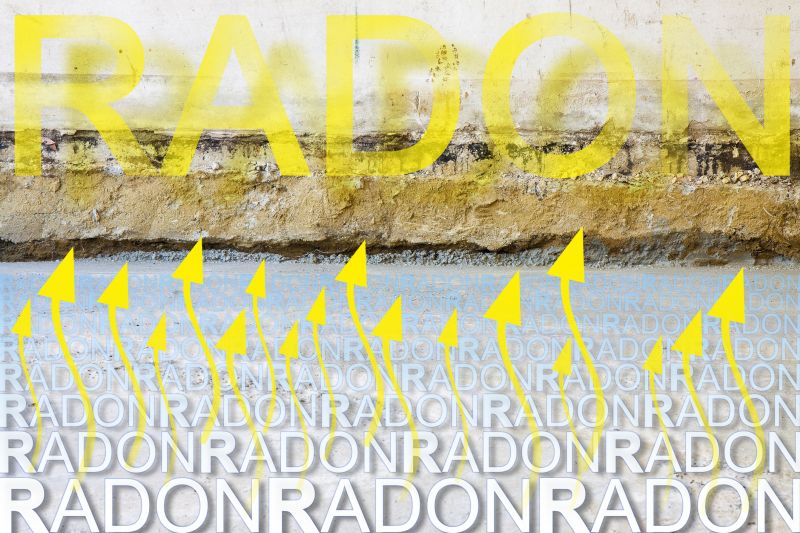
Radon Gas Risks
Understanding radon levels is essential for maintaining a safe indoor environment.
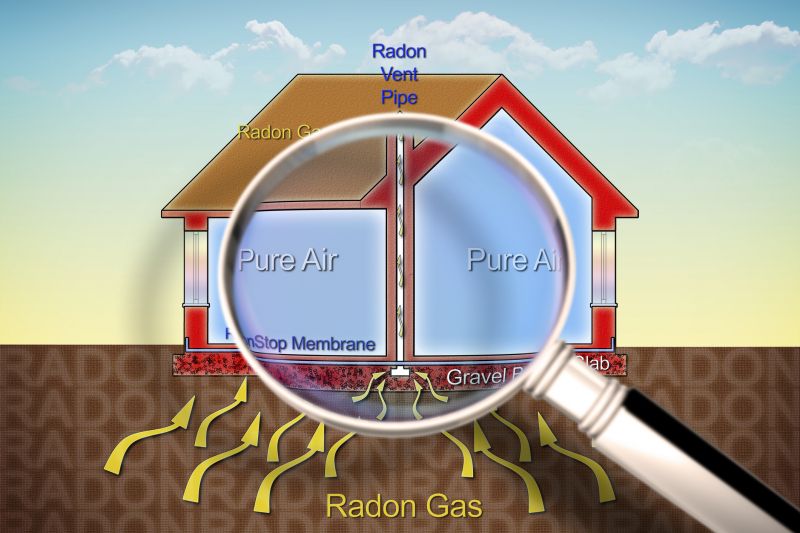
Mitigation Solutions
Effective radon abatement involves installing systems that reduce indoor radon concentrations.
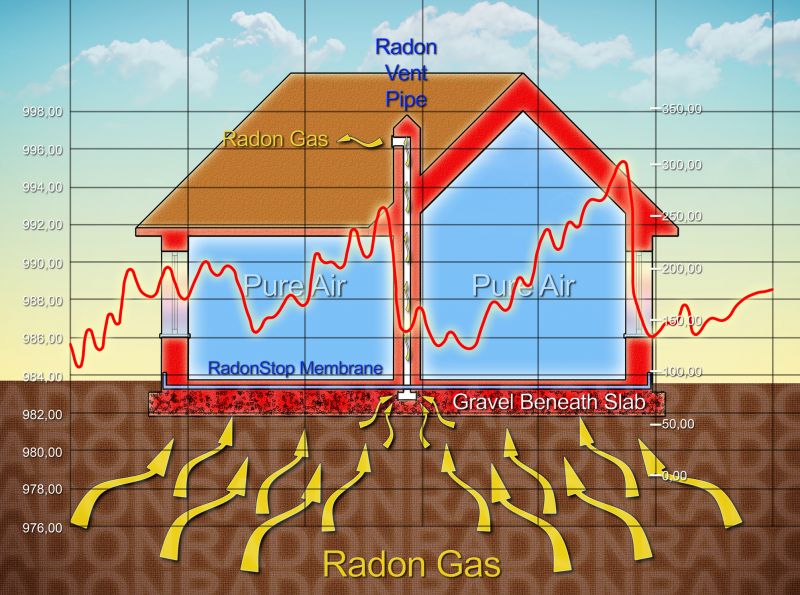
Home Safety Improvements
Radon reduction services help protect families and property values in lake county, il and surrounding areas.
Radon Gas Abatement in Lake County, IL

Radon gas abatement services focus on reducing elevated levels of radon, a colorless and odorless radioactive gas that can accumulate inside homes and other properties. These services typically involve installing specialized ventilation systems or sealing entry points to prevent radon from seeping into living spaces. Projects often include testing existing structures to determine radon levels, followed by designing and implementing effective mitigation solutions to improve indoor air quality and ensure safety for residents.
Property owners considering radon abatement usually want to understand the scope of work required, the effectiveness of different mitigation methods, and any potential impact on their home’s structure. It’s common for homeowners to inquire about the process of testing for radon, the types of systems used, and how the installation might affect daily living. Having clear information about these aspects can help in making informed decisions about radon reduction efforts and maintaining a healthier indoor environment.
Many property owners in Lake County, IL look into Radon Gas Abatement for repairs, replacements, upgrades, and appearance-related improvements.
Common Radon Gas Abatement Jobs
Radon mitigation systems - installation to reduce indoor radon levels effectively.
Sub-slab depressurization - a common method to vent radon from beneath the foundation.
Foundation sealing - sealing cracks and gaps to prevent radon entry.
Vent pipe installation - routing radon gas safely outside the building.
Soil gas venting - removing radon before it enters living spaces.
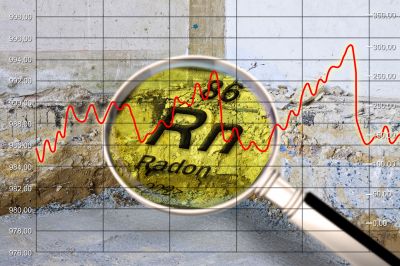
Radon testing services - measuring radon levels to determine the need for abatement.
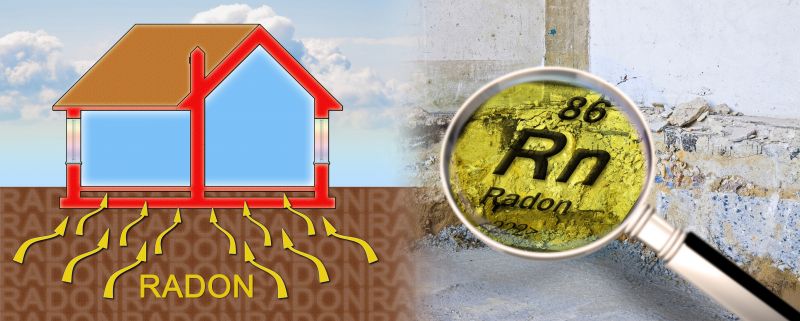
Radon Gas Abatement Questions
What is radon gas abatement? Radon gas abatement involves reducing radon levels in a property to improve indoor air quality and safety.
When should radon testing be considered? Testing is recommended when purchasing a home, during renovations, or if radon exposure concerns exist.
What methods are used for radon mitigation? Common methods include installing venting systems and sealing entry points to lower radon levels.
Is radon abatement suitable for all property types? Yes, radon mitigation can be adapted for residential homes, multi-family buildings, and commercial properties.
Request Radon Gas Abatement in Lake County, IL
Use the quote form on this page to share the basics of your project and request more information for the type of work you need.